The Reality of Postpartum Life: Balancing Motherhood and Mental Health
This page will feature my upcoming informative story exploring the realities of postpartum life and how new mothers balance the emotional and mental challenges of early parenthood. Through interviews, research, and multimedia storytelling, the article will highlight the importance of mental health awareness and support during the postpartum period.
Informative Story
The Reality of Postpartum Life: Balancing Motherhood and Mental Health
Lead
For many women, the first year after giving birth is filled with overwhelming love, exhaustion, and emotional change. The postpartum period, defined as the months following childbirth, is often portrayed as joyful and magical, but many mothers quietly struggle with mental health challenges during this time. Health experts say postpartum depression and anxiety are more common than many people realize, affecting mothers around the world and highlighting the importance of awareness, support, and open conversations about maternal mental health.
Photo by Alyssa Miller, 2026.

A toddler sits beside her baby sibling in a wagon during a quiet outdoor moment. As families
adjust to life with a newborn, small moments like these reflect the growing bond between siblings and the evolving rhythm of family life
The Emotional Transition Into Motherhood
Bringing a baby home is often described as one of life’s happiest moments. But for many mothers, the reality of early motherhood includes sleepless nights, hormonal shifts, and the sudden responsibility of caring for a new life.
Medical researchers describe the postpartum period as a time of intense adjustment. Mothers are recovering physically from pregnancy and childbirth while also adapting emotionally to a completely new routine. This transition can bring feelings of joy and connection, but it can also bring vulnerability and stress.
Postpartum depression is one of the most common complications following childbirth. Research shows that about one in five mothers experience symptoms of postpartum depression or anxiety after birth (World Health Organization, 2024).
According to the Mayo Clinic (2024), postpartum depression may include symptoms such as persistent sadness, mood swings, difficulty bonding with a baby, and feelings of hopelessness.
“Postpartum depression is not a character flaw or a weakness. It is a medical condition that requires care and support.” (Mayo Clinic, 2024)
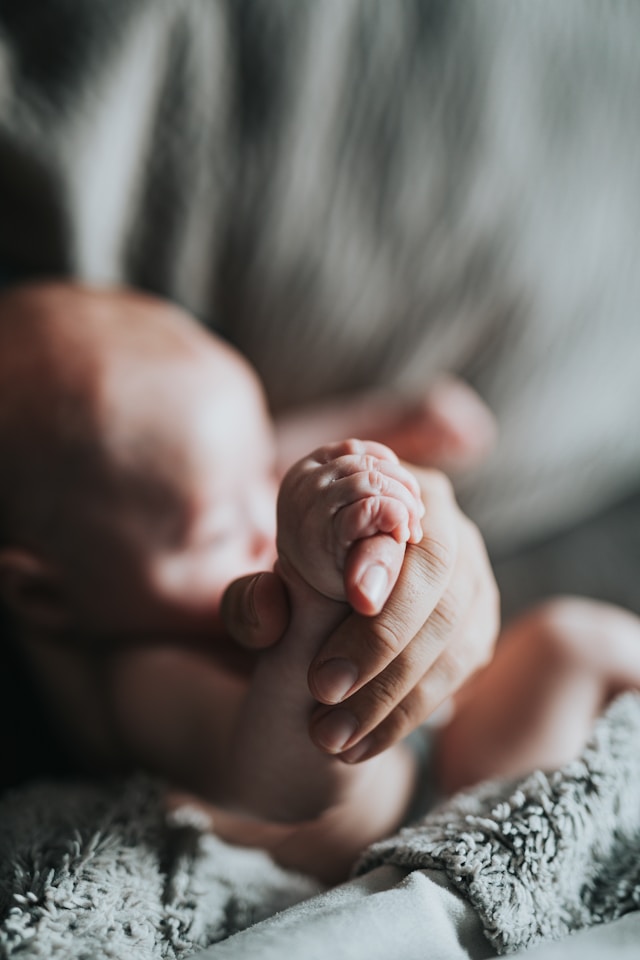
Photo by Alyssa Miller, 2026.

A toddler gently holds her baby sibling’s hand during a calm moment together.
In the early months after a baby is born, simple interactions like these can mark the beginning of a lifelong sibling connection.
The Hidden Side of Early Motherhood
Despite how common postpartum struggles are, many mothers feel pressure to hide them. Social media and cultural expectations often portray motherhood as joyful and effortless, leaving little room for honest conversations about exhaustion, anxiety, or emotional overwhelm.
For mothers who are struggling, this silence can make the experience even more isolating. Many women believe they are the only ones feeling this way.
Mental health experts emphasize that postpartum depression is influenced by many factors. Hormonal changes, lack of sleep, emotional stress, and lifestyle adjustments can all affect a mother’s mental health during the postpartum period.
As maternal health researcher Dr. Simone Vigod explains,
“Postpartum mental health challenges are incredibly common, but stigma and lack of awareness often prevent women from seeking help.”
Photo by Alyssa Miller, 2026.
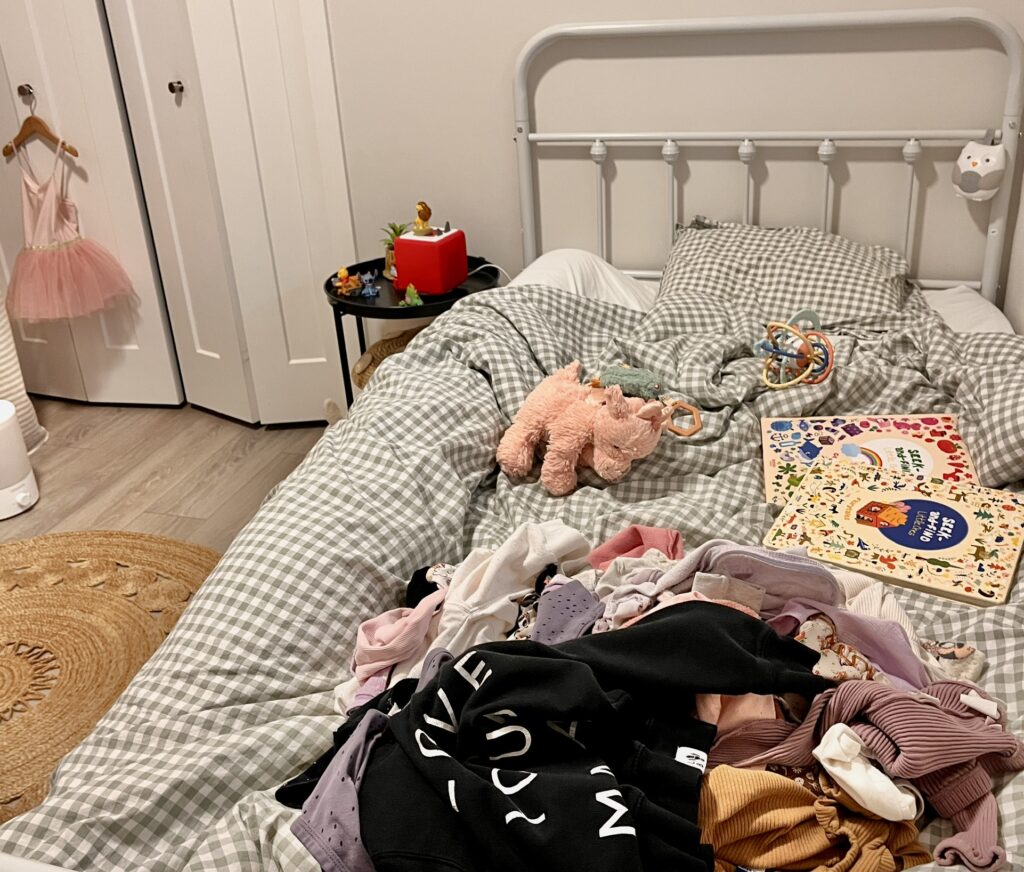
A toddler’s room sits scattered with toys and laundry during a busy day at home. The image reflects the quiet reality many mothers experience during the postpartum period, trying to care for a new baby while managing the everyday chaos of family life.
Why Support Matters
Support from partners, family members, healthcare providers, and communities can make a significant difference in a mother’s postpartum experience. When mothers feel supported and understood, they are more likely to reach out for help if they begin experiencing symptoms of depression or anxiety.
Healthcare professionals encourage mothers to speak openly with doctors, midwives, or mental health professionals if they experience ongoing emotional distress.
The Government of Canada (2024) emphasizes that early treatment and emotional support can greatly improve the well-being of both mothers and their babies.
Community programs, counseling services, and parenting support groups can help mothers feel less alone during the transition into parenthood.
A Partner’s Perspective
The postpartum period affects not only mothers, but also the families who support them. In this audio interview, my husband shares his perspective on witnessing postpartum challenges and what it has been like to support a partner through the stages of motherhood.
Photo by Alyssa Miller, 2026.

A quiet nursery space waits for the next nap, reflecting the
environment where much of early parenthood unfolds as families adjust to the rhythms of life with a new baby.
Moving the Conversation Forward
Motherhood is often described as one of life’s most meaningful experiences, but it is also one of the most demanding. The postpartum period can bring both deep love and emotional vulnerability as women adjust to caring for a new life.
By raising awareness about postpartum mental health and encouraging open conversations, communities can create stronger support systems for mothers. When mothers feel seen and supported, they are more likely to seek help and share their experiences.
For many advocates, the message is simple: mothers should never feel that they have to navigate postpartum life alone.
Photo by Alyssa Miller, 2026.

A mother prepares a bottle while caring for her baby in the kitchen.
During the postpartum period, everyday routines often unfold alongside the constant responsibility of caring for a new baby.
Sources
World Health Organization. (2024). Maternal mental health.
Mayo Clinic. (2024). Postpartum depression. https://www.mayoclinic.org/diseases-conditions/postpartum-depression
Government of Canada. (2024). Postpartum depression. https://www.canada.ca/en/public-health/services/pregnancy/postpartum-depression.html
Leave a Reply